


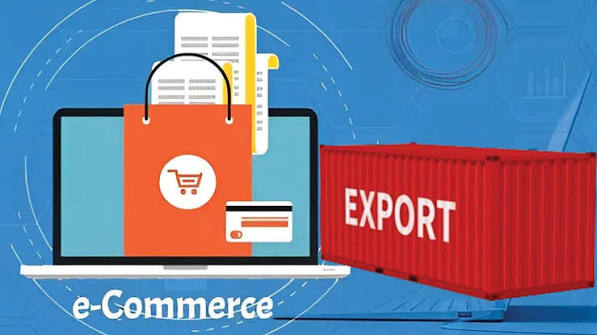
In a major push to expand the footprint of small and medium-sized enterprises on the international stage, the Indian government has updated its foreign direct investment regulations to allow foreign-funded e-commerce giants to manage inventory-based export operations. Under this new framework, platforms like Amazon and Flipkart are permitted to maintain dedicated export hubs specifically designed to aggregate, store, and ship goods manufactured by local producers across India. The policy targets small-scale artisans, textile weavers, and micro-manufacturers operating out of non-metropolitan towns and rural districts who historically faced severe barriers to entry in overseas markets due to international shipping costs, complex cross-border logistics, and lack of direct global distribution networks. By leveraging the existing supply chain architecture of global retail platforms, local entrepreneurs from hubs like Moradabad’s brassware workshops or Bhadohi’s carpet units can now export directly to international consumers without managing complex export procedures themselves. Officials state that this move acts as a natural extension of earlier initiatives like the “Districts as Export Hubs” program and recent customs rule modernizations, which removed caps on courier consignments to reduce friction for micro-exporters. Policymakers project that opening inventory-backed export channels will significantly diversify India’s overall export ecosystem, shifting foreign revenue generation away from major industrial corridors toward regional centers. Ultimately, the policy seeks to insulate small domestic suppliers from global economic shocks while boosting overall non-oil exports through streamlined, digital-first retail pipelines.