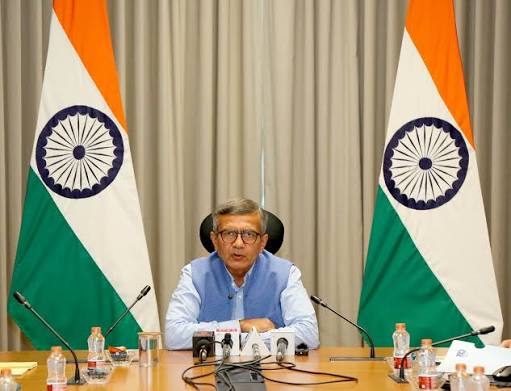




The Middle East is on the brink of a wider regional conflict following a series of intense military exchanges between the United States and Iran. The confrontation reached a critical juncture after the U.S. military launched its ninth consecutive night of targeted airstrikes against the Islamic Revolutionary Guard Corps (IRGC) inside Iran. According to U.S. central command, these heavy bombardments were executed in direct retaliation for recent drone attacks in Jordan that resulted in the deaths of American service members. In response, Tehran has vowed a fierce defense, declaring that it will block maritime energy transit through the crucial Strait of Hormuz, asserting that not a single drop of regional oil or gas will pass through the choke point if Western aggression persists. The situation deteriorated further as the IRGC claimed to target U.S. military assets in Kuwait and Jordan while reporting that two commercial oil tankers were disabled along shipping routes. Neighboring nations are on high alert; Kuwait reported experiencing incoming drone and missile strikes, while Jordan’s airspace witnessed several missile interceptions. International energy markets reacted immediately to the escalating warfare, with Brent crude oil prices rapidly surging by over 3% to eclipse the $90 per barrel threshold. Fearing a prolonged shut down of global trade routes, several nations, including India, have issued urgent travel advisories ordering their citizens to evacuate Iran and postpone all non-essential travel to the area. Meanwhile, diplomatic channels remain incredibly strained as high-level talks in Tehran stall over ongoing threats of bombardment. Global leaders are urging both sides to show restraint, warning that a full-scale war could severely disrupt the fragile global economy and spark a severe humanitarian crisis across the region.